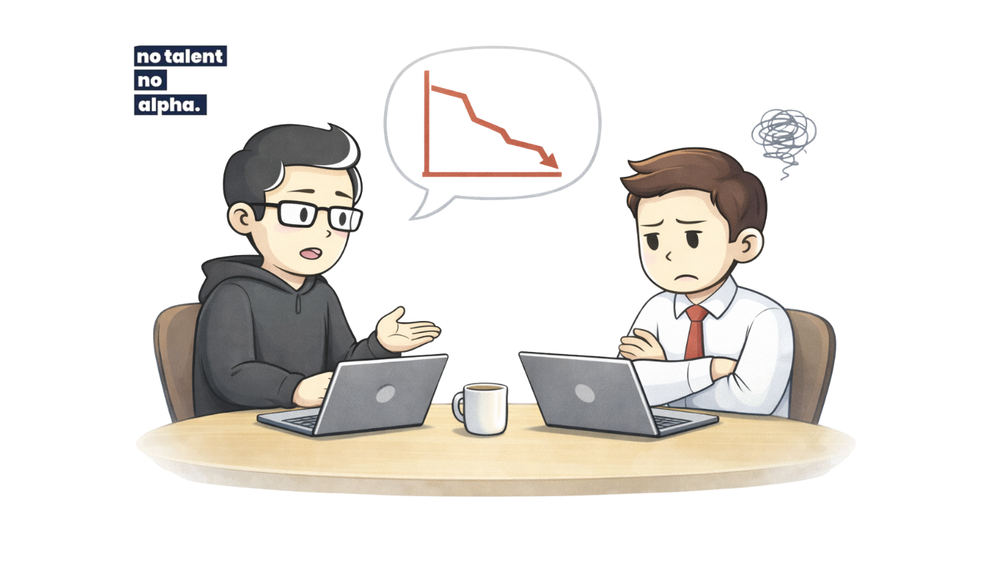
Most critical feedback fails because managers wait too long, stay too vague, or make it personal. By the time you finally say something, you're frustrated, they're defensive, and the conversation goes nowhere.
The pattern that doesn't work: "You need to communicate better." "Your work quality has been slipping." "You're not showing enough initiative." These statements are true, useless, and likely to make someone shut down. They describe the problem without giving the person anything to fix.
The structure that works is three parts: specific behavior, observable impact, expected change. Not "you need to communicate better." Instead: "You didn't update the client before the deadline slipped, they escalated to my boss, and now we've lost credibility. Going forward, flag timeline risks 48 hours early."
The difference is actionable specificity. The person knows exactly what they did, exactly what it cost, and exactly what to do differently. No interpretation required. No guessing about what "better communication" means.
The economic logic: Delayed feedback is expensive. If someone's missing deadlines and you wait a month to say something, you've lost a month of corrected performance. If they're creating friction with the team and you wait until their review, you've paid for months of reduced team productivity. Fast feedback limits the damage.
Timing matters more than tone. Give feedback within 24-48 hours of the behavior while it's still concrete. "In yesterday's meeting when you interrupted Sarah three times, the team stopped contributing ideas and we made a worse decision. In the next meeting, let people finish their thoughts." That lands because it's immediate and specific.
Here's what makes people shut down: feedback that feels like an attack on who they are rather than what they did. "You're careless" shuts people down. "You sent that email without checking the numbers and it confused the client" gives them something to fix.
The test: After giving feedback, ask them to repeat back what they heard. If they can describe the specific behavior and the change you want, you delivered it clearly. If they're confused or defensive, you were too vague or too emotional.
Hard feedback isn't mean. Vague feedback is mean. It leaves people guessing what's wrong and how to fix it. Clear feedback is kind as it gives them a path to improve.