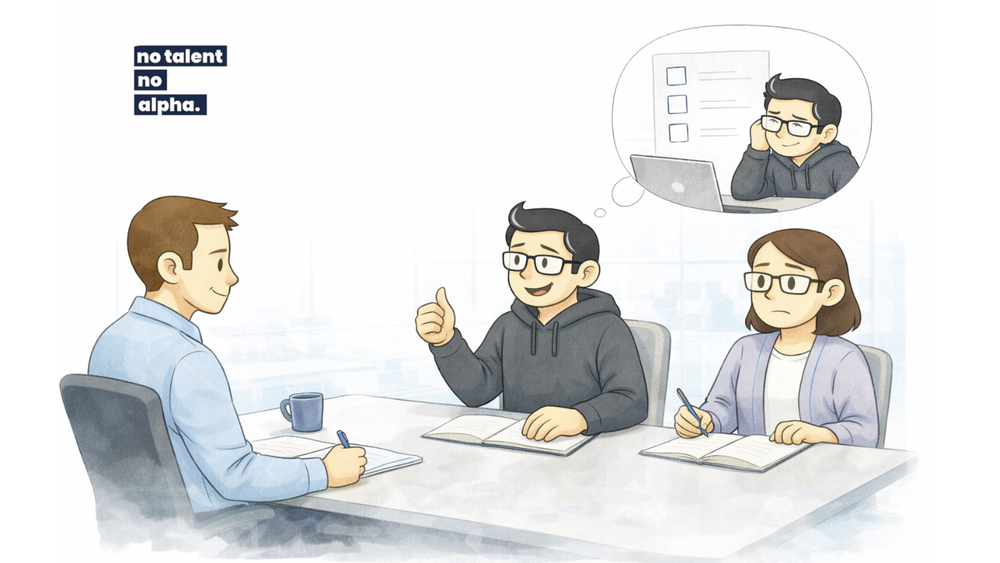
You know the pattern. You walk out of the meeting feeling good. Everyone was aligned. Your employee nodded, said "absolutely," maybe even took notes. Then a week later, the thing isn't done. Or it's half done. Or it's done wrong in a way that suggests they never really understood what you asked for in the first place.
You bring it up. They apologize. They were busy. They'll get to it. You move on.
And then it happens again.
This isn't a motivation problem. It's not a work ethic problem. And it's probably not a defiance problem. What you're dealing with is a commitment gap — the distance between what someone agrees to in the room and what they actually intend to do when they leave it. Research shows that 44% of meeting action items never get completed across teams. That number is high partly because most commitments made in meetings are vague, unverified, and entirely dependent on the employee remembering them correctly.
Here's the uncomfortable part: you're probably contributing to the problem.
When you ask "does that make sense?" at the end of an assignment, you're not verifying understanding — you're inviting a reflexive "yes." When you accept the nod and move on, you haven't actually confirmed a commitment. You've given someone a polite exit ramp and called it alignment. The employee isn't lying to you in the meeting. In that moment, they probably do intend to do it. The problem emerges after they walk out the door and face seventeen other things competing for the same attention.
So what do you actually do?
Stop ending assignments with questions and start ending them with repetition. Instead of "does that make sense?", try: "Before we move on — walk me through what you're going to do and when." This isn't condescending if you make it your consistent practice. It's a commitment ritual. When someone has to say the task out loud, in their own words, with a deadline attached, the likelihood they'll follow through goes up significantly. It also surfaces confusion before it becomes failure — if they can't repeat it back clearly, they didn't understand it clearly.
Make the deadline explicit and specific. "End of the week" isn't a deadline. "By Thursday at noon" is. Vague time horizons give people cover to deprioritize indefinitely. When there's a specific moment at which something is either done or not done, it changes the psychological relationship the person has with the task.
Create a visible record. This doesn't have to be elaborate — a quick Slack message after the conversation saying "Per our discussion, you're handling X by Thursday" does two things: it confirms you both heard the same thing, and it creates accountability without confrontation. You're not threatening anyone. You're just making the agreement concrete.
Follow up before the deadline, not after. The most common mistake managers make is waiting to see if something gets done and then reacting when it doesn't. Instead, build in a brief check-in at the midpoint. "Just checking in on X — anything blocking you?" This isn't micromanagement if it's brief and non-accusatory. It's course correction before failure, which is dramatically easier than addressing failure after the fact.
When the pattern persists despite all of this, then you have a different conversation. Not "why don't you do what you say you'll do?" but "I've noticed there's a gap between what we agree to in our meetings and what gets done. Help me understand what's happening." That question opens a diagnosis: Are they overcommitted? Do they not understand how to push back in the moment? Are they agreeing to things they think are a bad idea but don't feel safe saying so? Each of those has a different fix. But you can't get there until you separate the pattern from the person.
The real problem with the chronic yes-person isn't that they're unreliable. It's that every false commitment wastes time you spent aligning, erodes your trust in what they say, and makes you do more follow-up than you should have to. You fix it by making agreements harder to be vague about — not by making them harder to break.
Your job isn't to trust more or trust less. It's to design agreements that don't require trust to verify.