Real Wages Rose 1.2%
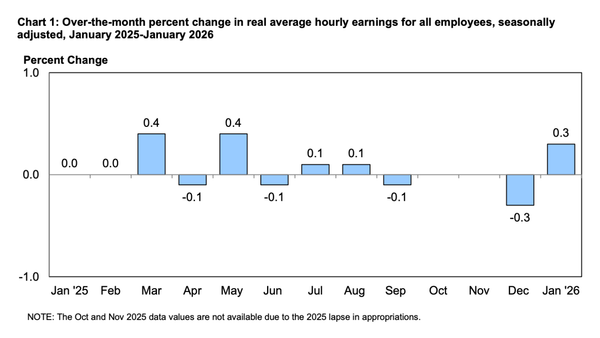
Nominal pay looks healthy at 3.7%. Strip out inflation and add back the extra hours, and workers are running faster to stay in place.
Series
Single figures from the labor data, taken apart.
62 pieces
Nominal pay looks healthy at 3.7%. Strip out inflation and add back the extra hours, and workers are running faster to stay in place.
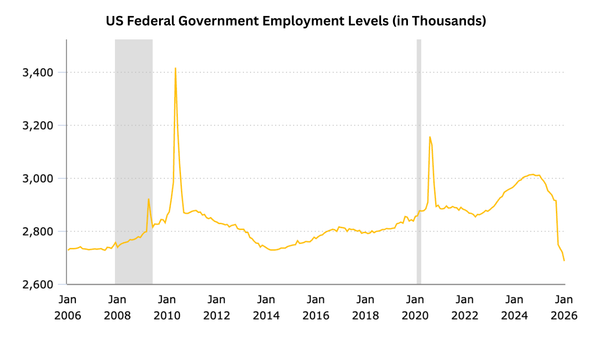
The government shed 327,000 positions since October 2024. That workforce doesn't disappear, it floods into private labor markets, and your hiring strategy probably hasn't adjusted for it.
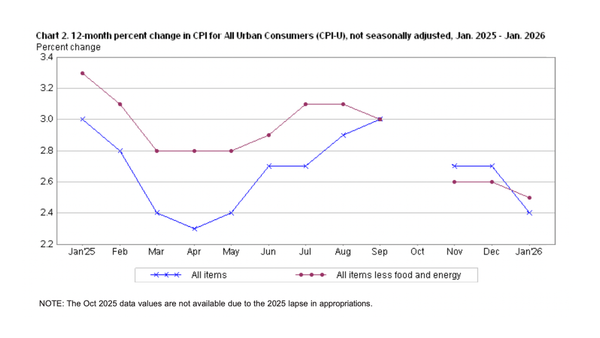
Overall prices are moving closer to the Fed's target, but shelter costs, which directly affect compensation decisions, remain elevated at 3.0% annually.
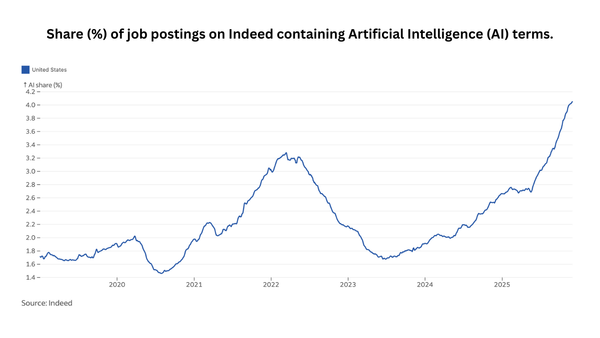
Every sector is hunting for AI talent, but the jobs might not exist by the time candidates apply.
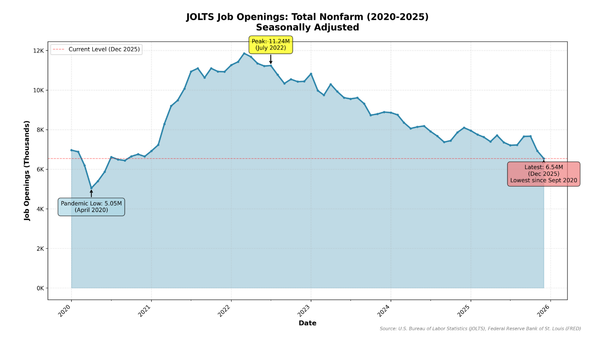
The market lost 386,000 openings in one month and 966,000 over the year. Companies stopped posting jobs while workers stopped quitting. The labor market didn't cool, it froze.
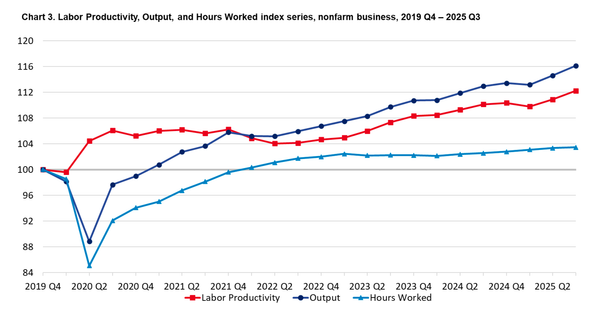
Workers are producing more. Their purchasing power isn't keeping pace.
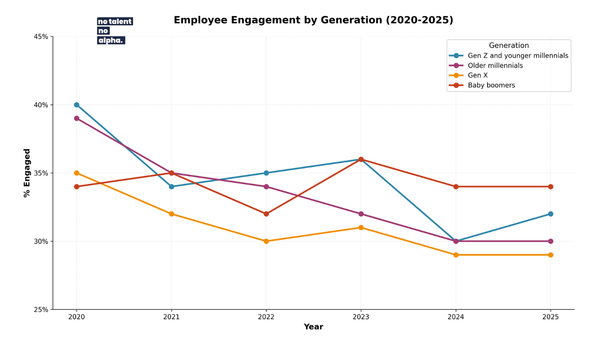
Engagement hit record lows in 2024, and younger workers are checking out faster than anyone else.
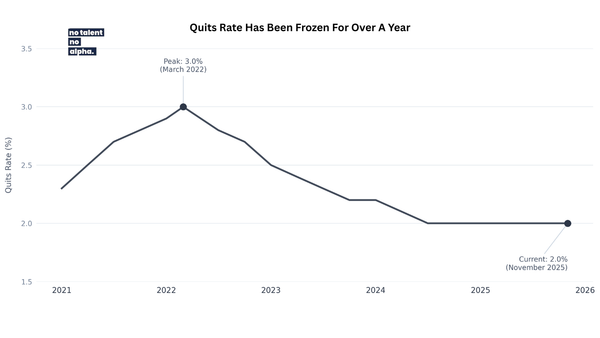
The quits rate has been frozen at 2.0% for over a year. Workers aren't leaving because they have nowhere better to go.
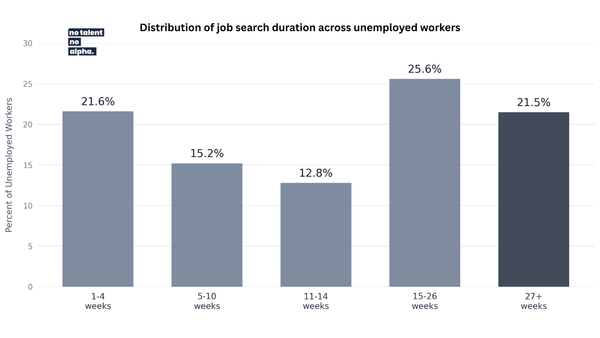
Long-term unemployment is rising and it's changing who's available when you're hiring.
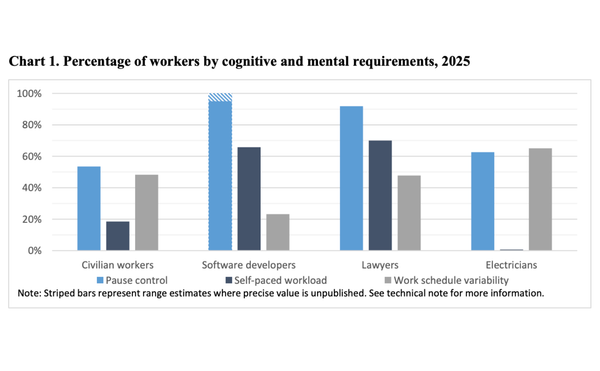
Work autonomy varies wildly by occupation and that gap drives retention differences you can fix without spending a dollar.
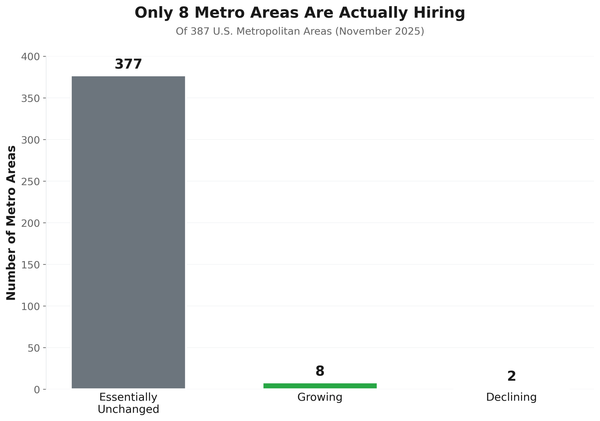
97% of U.S. metros saw zero job growth, talent is trapped, geographic concentration is accelerating, and the contrarian play is poaching while everyone else stays frozen.
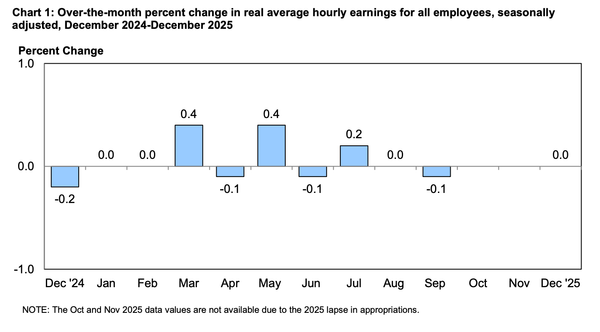
Real wages flat despite nominal gains. Hours contracted. Workers earned less in December than November.