The Retention Paradox
By the time an employee tells you they're unhappy, the departure is often just a matter of logistics. Yet most organizations spend their retention budget precisely at that moment, when it's least likely to work.

By the time an employee tells you they're unhappy, the departure is often just a matter of logistics. Yet most organizations spend their retention budget precisely at that moment, when it's least likely to work.
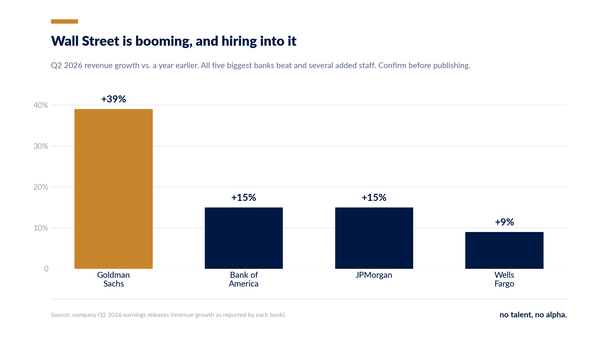
Microsoft cut 4,800 people and got called disciplined. JPMorgan added people, posted the biggest profit in US banking history, and got questioned about its costs. The market is sorting companies on a new factor, and it's getting it half wrong.
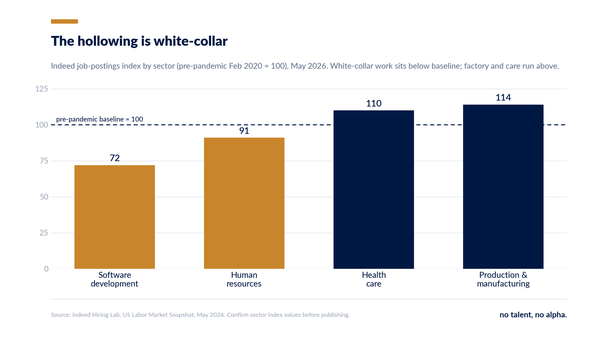
For 250 years America grew by adding. The 2026 playbook is to grow profits by subtracting, cutting labor now to harvest margin later, and the market may be paying for a one-time cut as if it compounds.
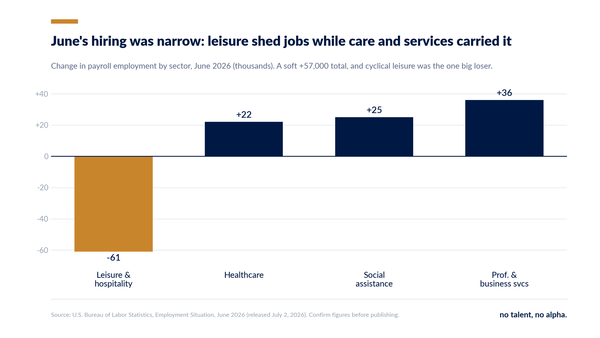
Low unemployment is doing two jobs at once: keeping the Fed hawkish, and giving companies cover to cut white-collar workers for margin. Both lean on the one number that breaks last.