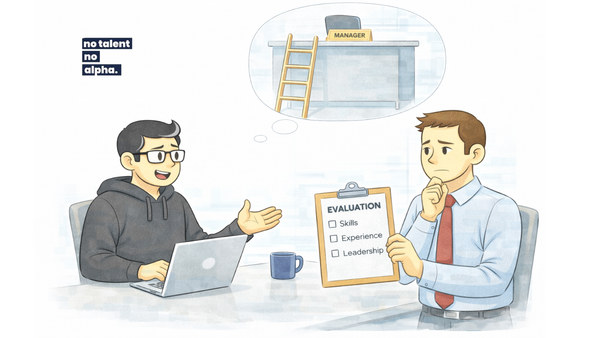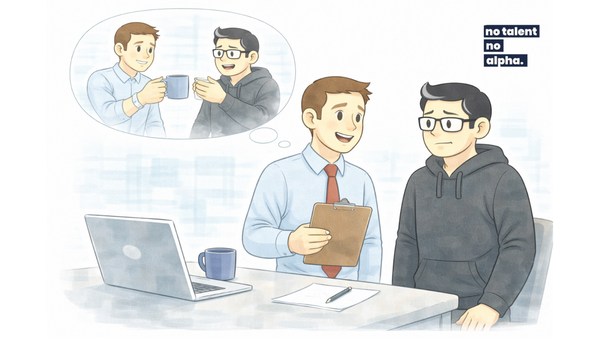
How do I manage someone who used to be my peer?
You got promoted above your peers. Now one of them is treating you like nothing changed. Here's how to reset the relationship without losing it entirely.
You got promoted above your peers. Now one of them is treating you like nothing changed. Here's how to reset the relationship without losing it entirely.
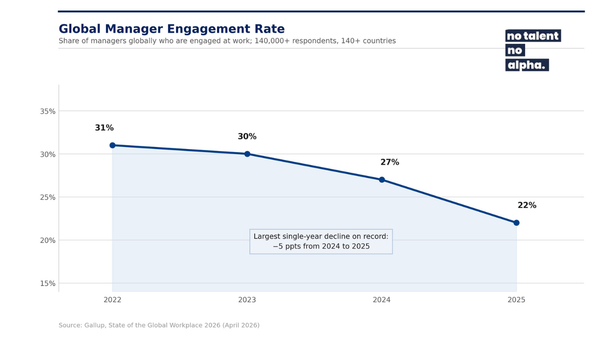
Global manager engagement fell five points in a single year.
Why the work that drives results and the work that gets rewarded have been quietly diverging in your organization for years.
Take all the time you need' sounds generous and means nothing.
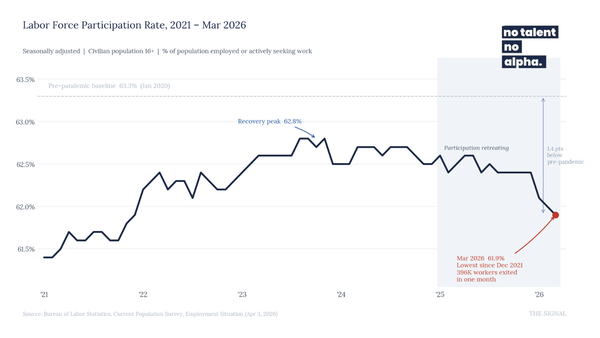
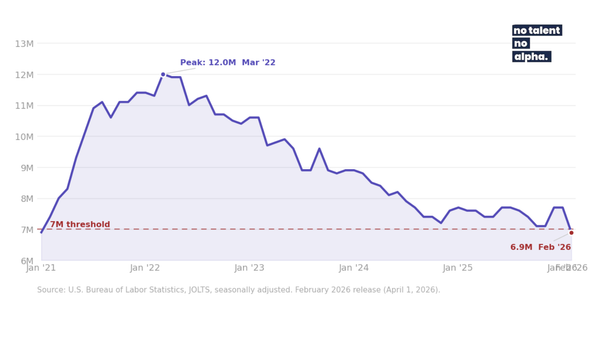
Payrolls look fine. But the pool of available workers is quietly contracting — and the sectors still growing are not the ones most managers hire from.
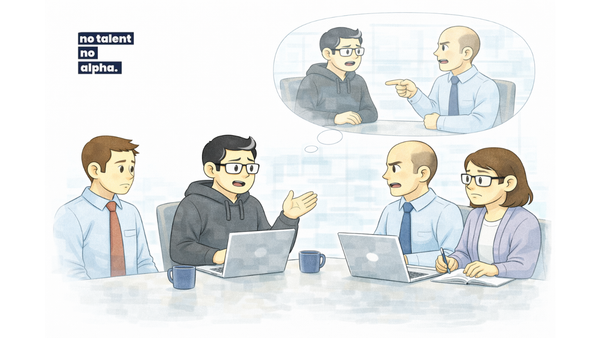
It takes roughly five positive signals to undo one credibility-damaging moment, which tells you how expensive a single public contradiction can actually be.
SHRM named workforce fragmentation its top HR trend for 2026. Most managers are running mixed teams with full-time assumptions. That gap is getting expensive.
The gap between what you observe and what you say compounds silently. By the time most managers pay it, the cost is far higher than the original conversation would have been.
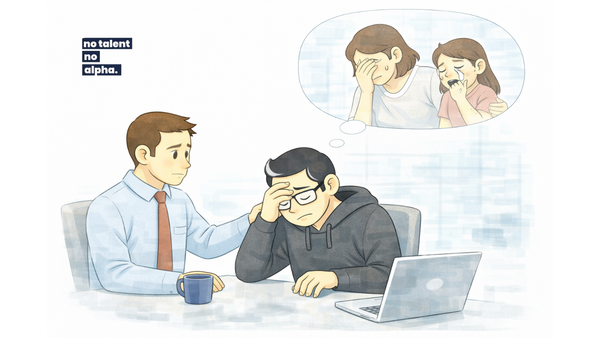
Stalling and hoping they figure it out is not a strategy. Here’s how to have the honest conversation while keeping the person.
The labor market is freezing in both directions. Workers aren't quitting; employers aren't hiring. That combination is more complicated than it looks.
Credit-claiming corrodes team trust faster than almost anything else. Here’s how to name it, stop it, and fix the culture that allowed it.
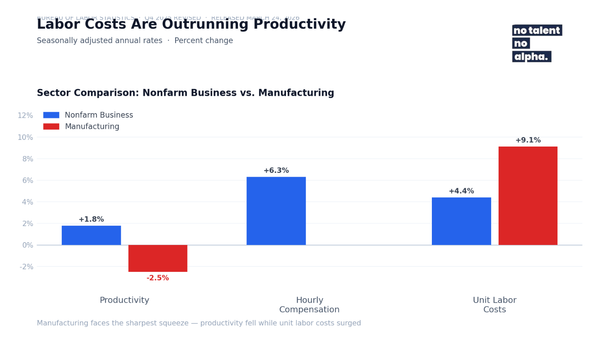
Wage growth is outpacing productivity and the revised BLS data shows the margin squeeze is worse than first thought.