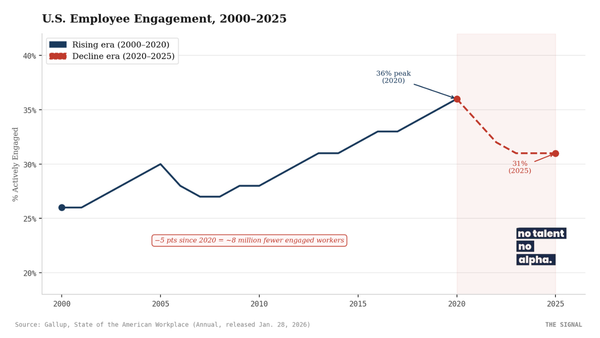
Employee Engagement Has Lost 8 Million Workers Since 2020
U.S. engagement has been flat for two years, but the five-year slide tells a different story. And it's not coming from where most organizations are looking.
U.S. engagement has been flat for two years, but the five-year slide tells a different story. And it's not coming from where most organizations are looking.
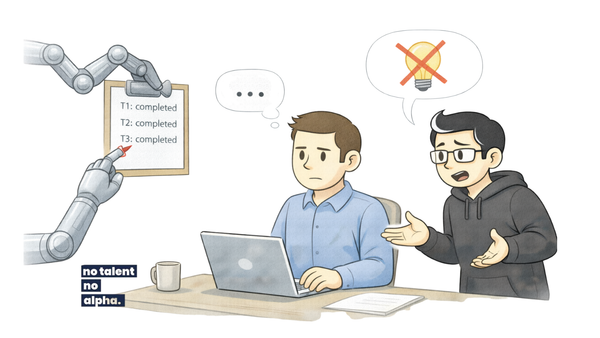
They're technically fine, and fine is eating your team alive.
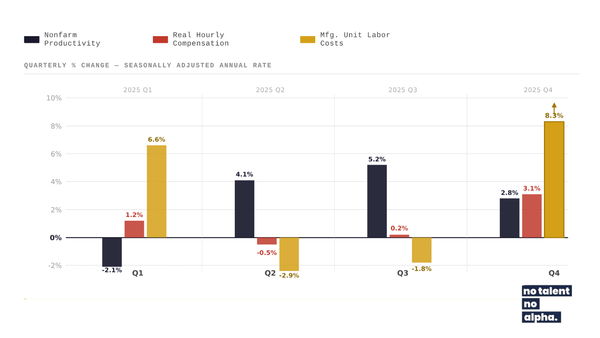
The economy got more efficient last year. The gains didn't distribute evenly, and manufacturing is running in the opposite direction entirely.
Losing one promotion-ready employee doesn't cost you one person. It costs you the three who were watching.
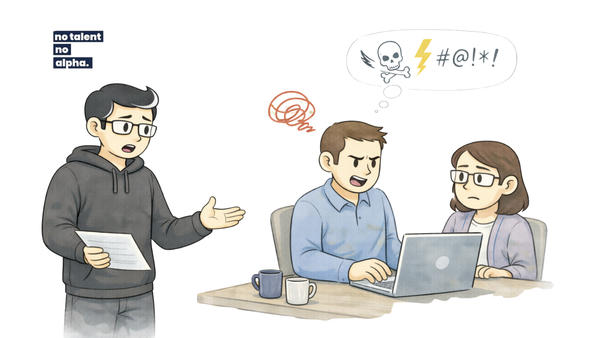
One toxic team member can reduce overall team productivity by 30 to 40 percent. Your star might be costing you more than they're making you.
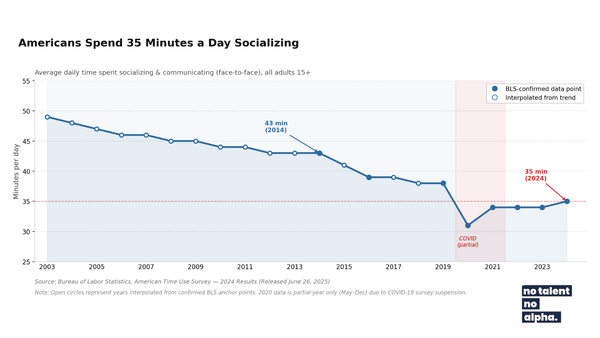
Down from 43 minutes a decade ago, and your workforce brought that deficit to work with them.
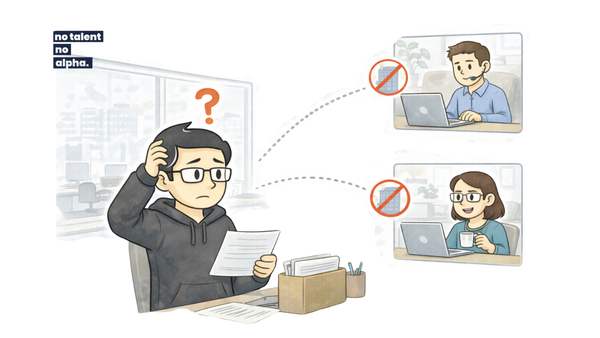
Your top performer isn't in the office. Now what?
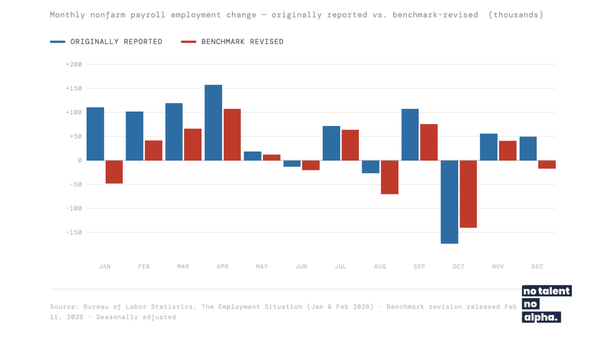
The labor market was 403,000 jobs weaker in 2025 than what was reported.
By the time an employee tells you they're unhappy, the departure is often just a matter of logistics. Yet most organizations spend their retention budget precisely at that moment, when it's least likely to work.
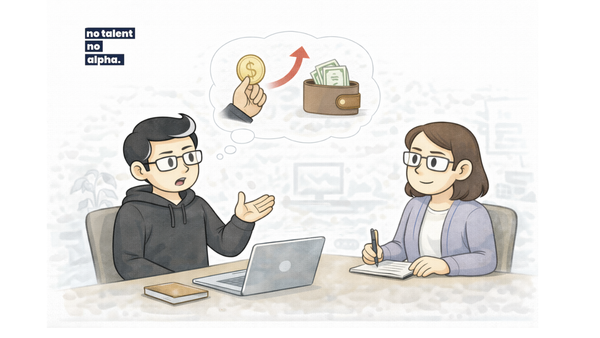
You don't control the budget. But that's not actually what your employee is asking about.
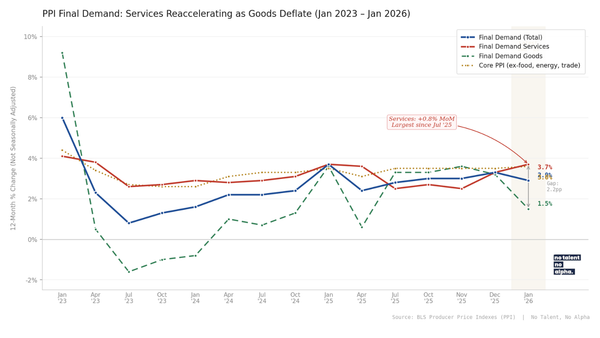
Goods prices are falling. Services prices just posted their biggest monthly jump since July 2025. For managers in labor-intensive industries, the inflation story isn't over.
The instinct is to win them over. That's exactly the wrong move.