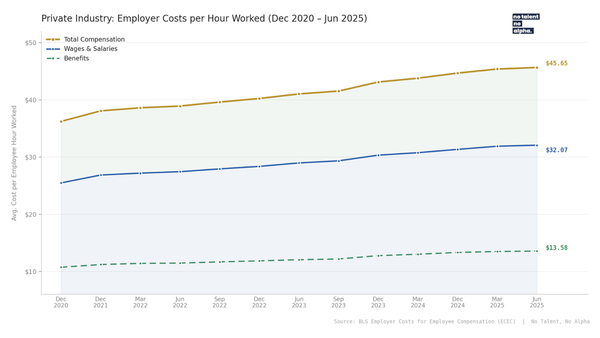
Benefits Now Cost Employers $13.58 Per Hour
For every dollar an employer spends on a private-sector worker, 30 cents never appears in a paycheck. That gap is growing.
For every dollar an employer spends on a private-sector worker, 30 cents never appears in a paycheck. That gap is growing.
The unstructured job interview predicts job performance at roughly the same level as chance. The science has known this for decades. Most companies have never changed.
This is harder than managing someone who's failing. At least failure is visible.
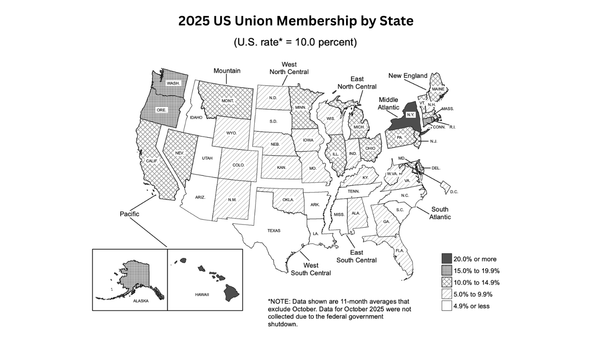
Private-sector unionization is at historic lows. The wage premium it commands is not.
Most managers soften their message when someone pushes back. That's exactly what trains people to keep pushing back.
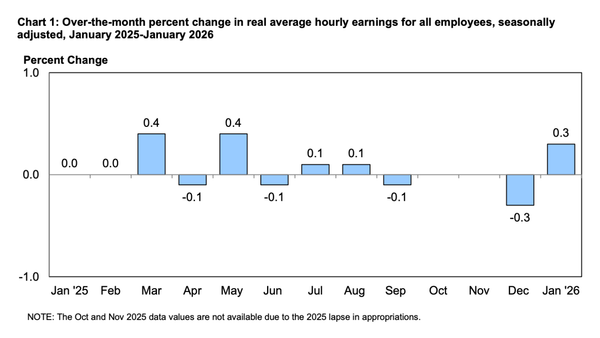
Nominal pay looks healthy at 3.7%. Strip out inflation and add back the extra hours, and workers are running faster to stay in place.
Adding headcount past a certain threshold doesn't add capacity, it adds coordination overhead that consumes the capacity you were trying to create. Your team didn't get slower because the work got harder. It got slower because you hired.
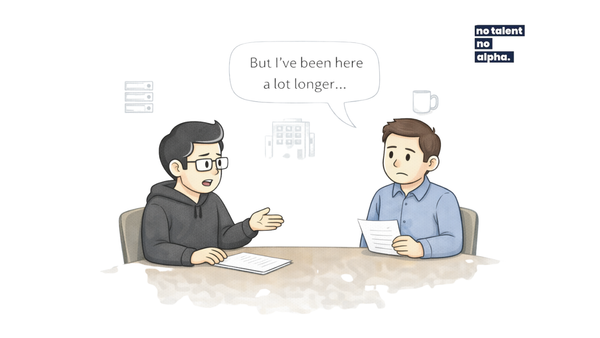
Separate institutional knowledge from decision-making authority. Their tenure gives them the first one. Your role gives you the second.
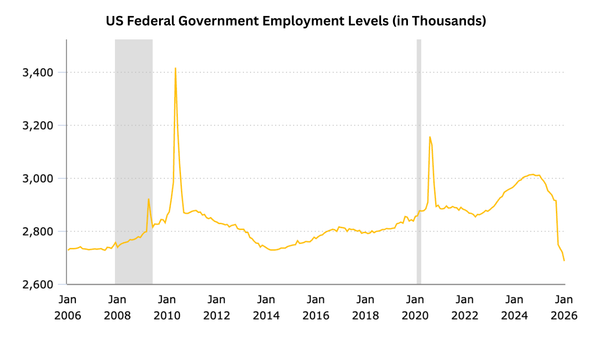
The government shed 327,000 positions since October 2024. That workforce doesn't disappear, it floods into private labor markets, and your hiring strategy probably hasn't adjusted for it.
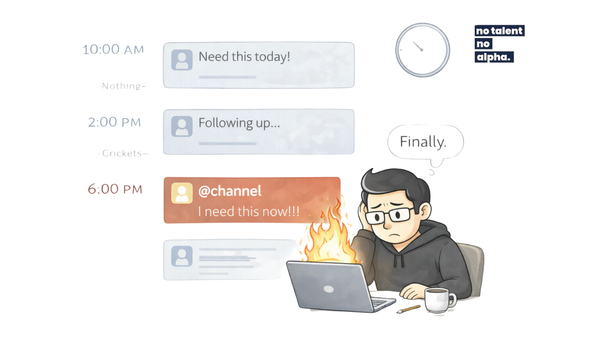
If your team consistently ignores your Slack messages, you might not have a respect problem. You have a signal clarity problem.
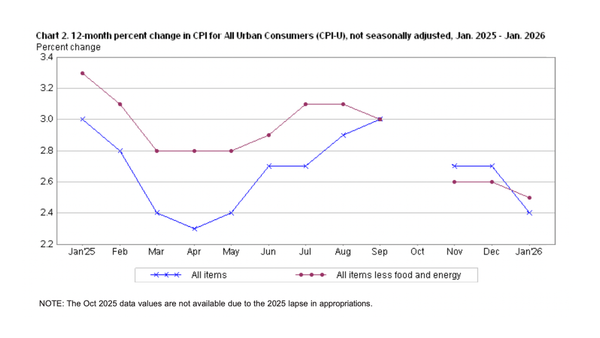
Overall prices are moving closer to the Fed's target, but shelter costs, which directly affect compensation decisions, remain elevated at 3.0% annually.
Cross-functional projects don't take longer because the work is harder. They take 3x longer because coordination costs scale exponentially, and we plan as if they're free.