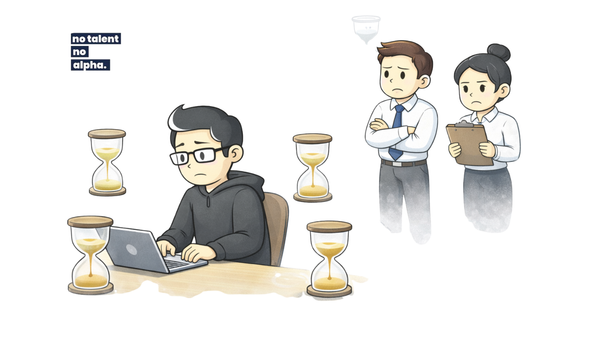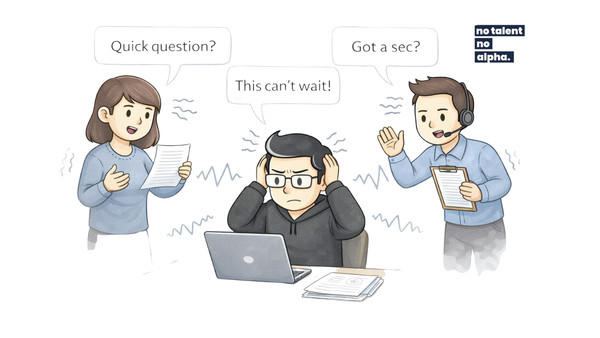
How do I stop my team from constantly interrupting my work?
Most interruptions fall into three categories, and only one actually requires your immediate attention. Here's how to teach your team the difference.
Most interruptions fall into three categories, and only one actually requires your immediate attention. Here's how to teach your team the difference.
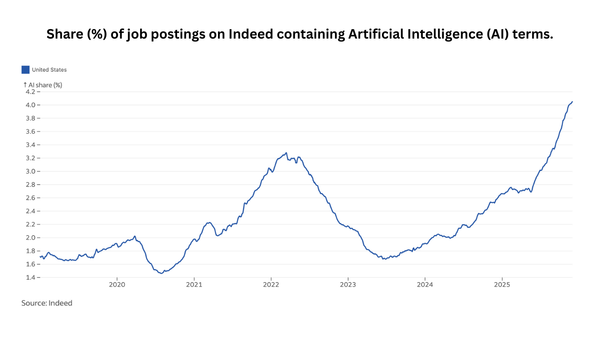
Every sector is hunting for AI talent, but the jobs might not exist by the time candidates apply.
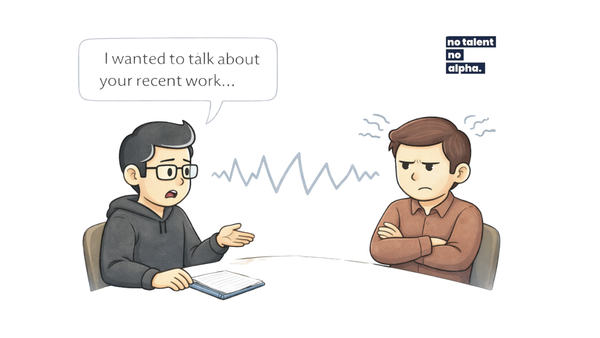
Stop trying to make feedback comfortable. That's what's making it worse.
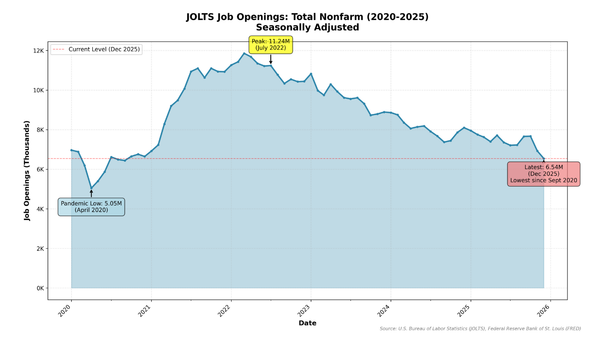
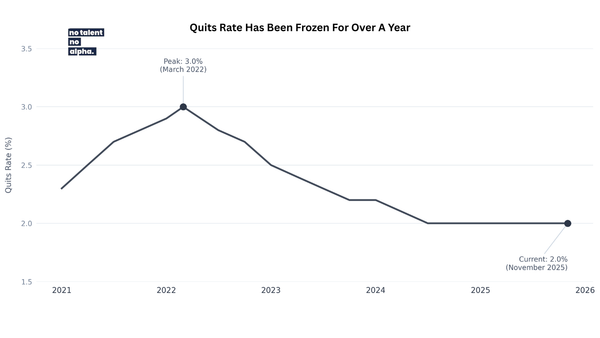
The market lost 386,000 openings in one month and 966,000 over the year. Companies stopped posting jobs while workers stopped quitting. The labor market didn't cool, it froze.
Why wider salary ranges decrease pay equity but increase retention (and how to navigate the trade-off).
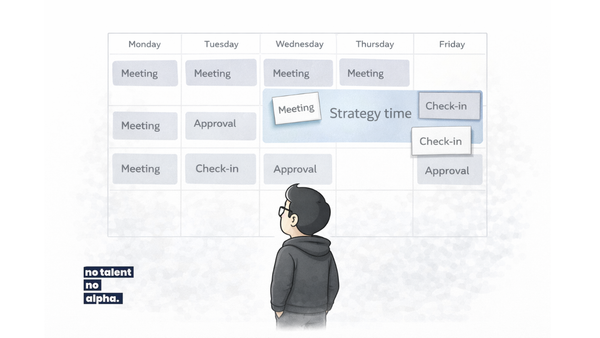
Your calendar is full of urgent operational work. Approvals, firefighting, meetings about immediate problems. You know you should be thinking strategically: planning, improving systems,
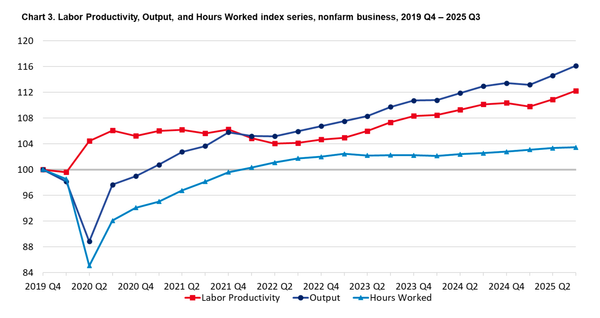
Workers are producing more. Their purchasing power isn't keeping pace.
You're not saving time by doing it yourself. You're spending your career doing work below your pay grade while your team learns nothing.
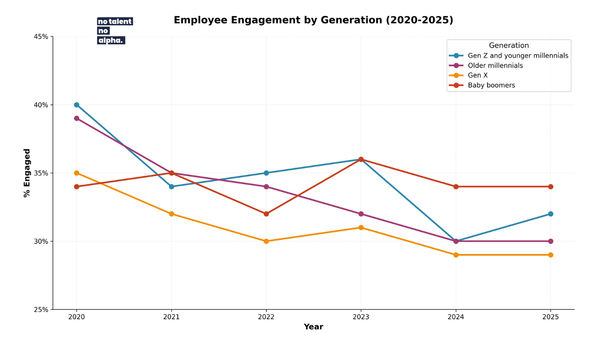
Engagement hit record lows in 2024, and younger workers are checking out faster than anyone else.
When high performers leave, they take organizational knowledge and problem-solving capacity with them. Each departure makes it harder for the next high performer to succeed. Preventing the first exit allows you to prevent the next three.
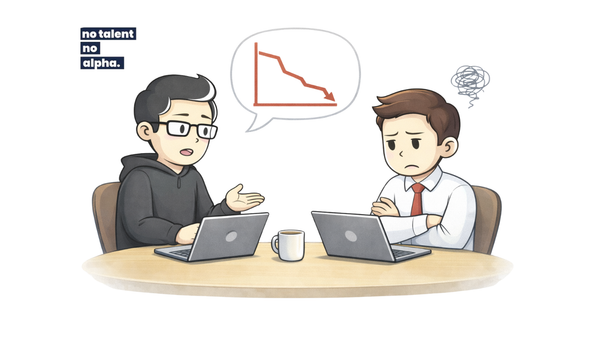
You know something's not working. You've been thinking about it for weeks. Finally, you sit them down and say "your work quality has been slipping." They get defensive, you backtrack, and nothing improves. Vague feedback is worse than no feedback.
The quits rate has been frozen at 2.0% for over a year. Workers aren't leaving because they have nowhere better to go.