The Hire-to-Fire Clock
The hidden cost isn't bad hires, it's how long organizations take to act on them.
The hidden cost isn't bad hires, it's how long organizations take to act on them.
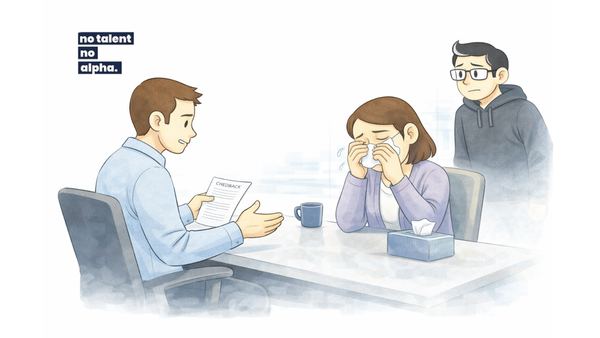
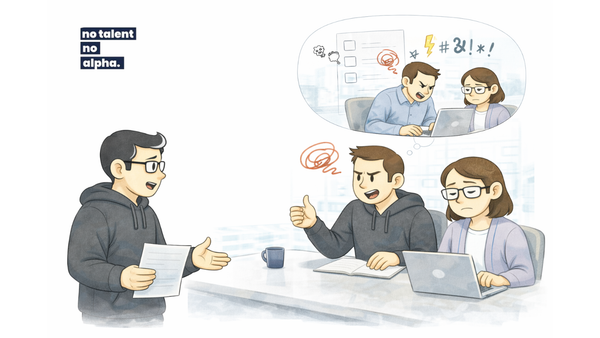
Tears in a feedback conversation don't mean you did something wrong, but they do mean you need a different playbook.
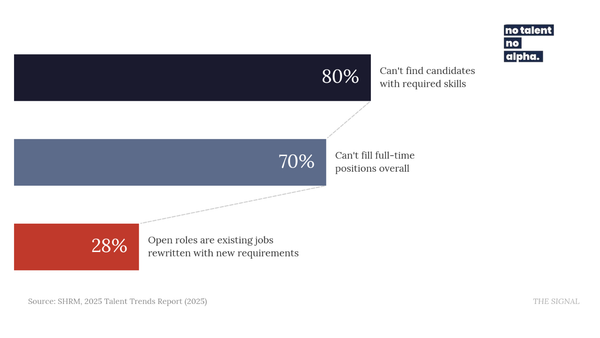
The skills gap isn't a pipeline problem. It's a speed problem, and your internal talent strategy is falling further behind every quarter.
The answer isn't to call them out or hold them hostage... it's to make a clear-eyed decision about your team's needs before they make it for you.
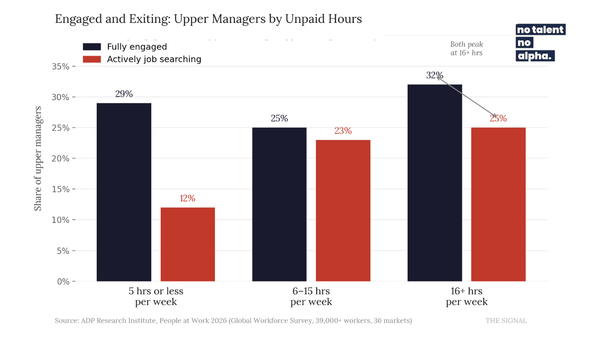
High engagement and high turnover intent are living in the same employee. Unpaid hours explain why.
Why managers who can't let go are the most common reason high performers leave, and why most organizations never see it coming.
Communication style is a skill, not a personality. And you give feedback on skills all the time.
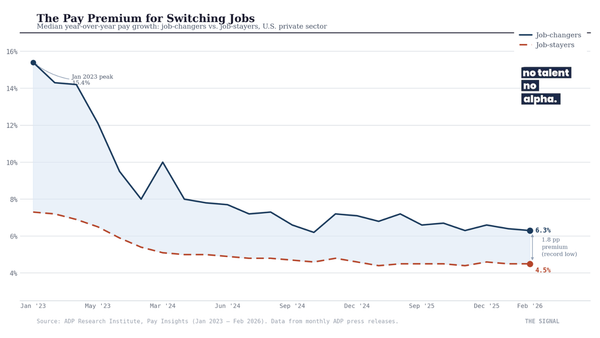
Changing employers used to guarantee a raise. In 2026, it barely does. The lever workers relied on for three years is nearly gone.
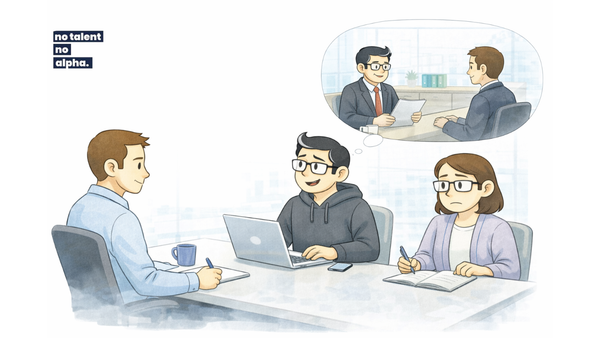
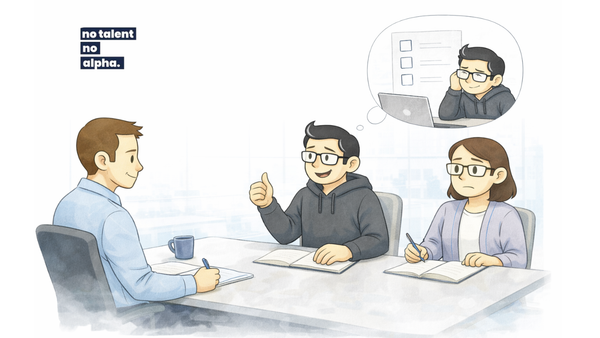
When you ask 'does that make sense?' you're not verifying understanding... you're inviting a reflexive yes.
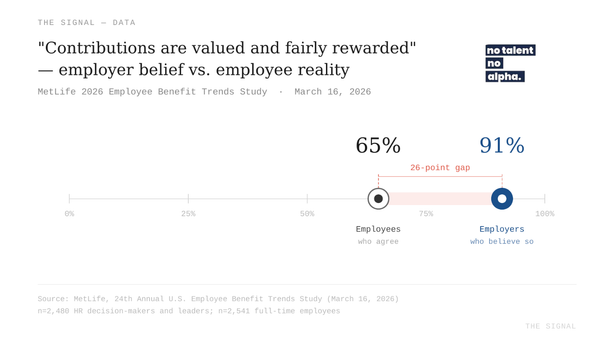
There's a 26-point gap between what managers believe about recognition and what employees actually experience. AI is making it wider.
Why the first 90 days don't determine whether someone stays. They determine how much they contribute if they do.
Two people who like each other isn't a management problem, it's a management asset. Your job is to make sure the friendship stays in its lane.