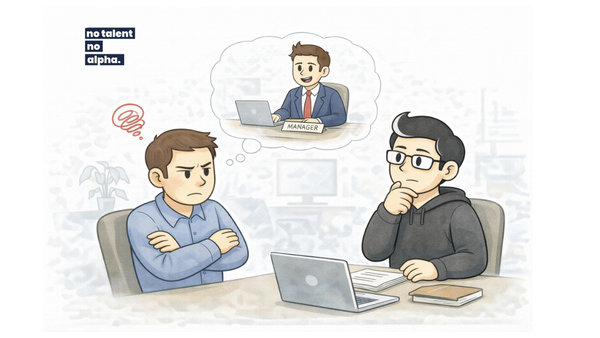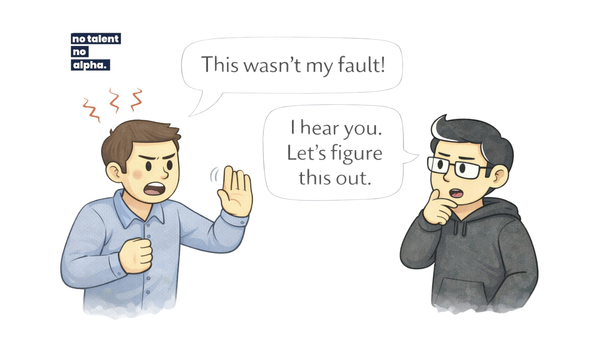
How do I manage someone who agrees with everything in the meeting and then doesn't do it?
When you ask 'does that make sense?' you're not verifying understanding... you're inviting a reflexive yes.
Series
Direct answers to the questions managers ask.
49 pieces
When you ask 'does that make sense?' you're not verifying understanding... you're inviting a reflexive yes.
Two people who like each other isn't a management problem, it's a management asset. Your job is to make sure the friendship stays in its lane.
They're technically fine, and fine is eating your team alive.
One toxic team member can reduce overall team productivity by 30 to 40 percent. Your star might be costing you more than they're making you.
Your top performer isn't in the office. Now what?
You don't control the budget. But that's not actually what your employee is asking about.
The instinct is to win them over. That's exactly the wrong move.
This is harder than managing someone who's failing. At least failure is visible.
Most managers soften their message when someone pushes back. That's exactly what trains people to keep pushing back.
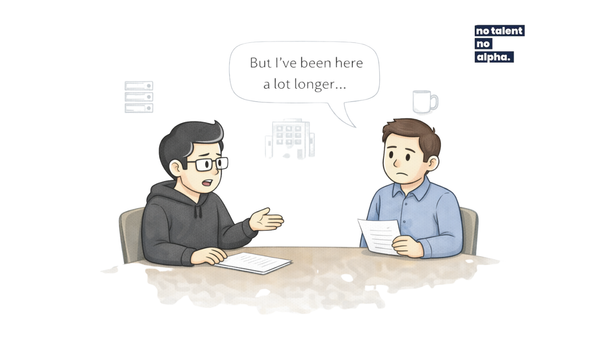
Separate institutional knowledge from decision-making authority. Their tenure gives them the first one. Your role gives you the second.
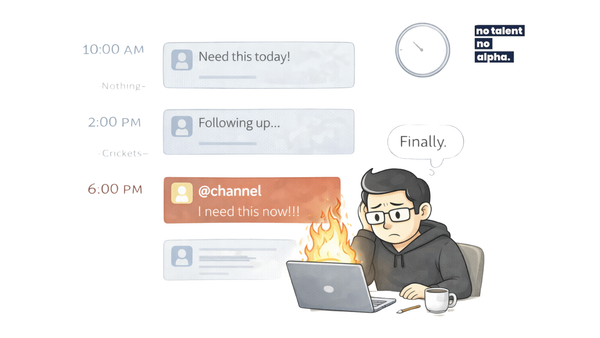
If your team consistently ignores your Slack messages, you might not have a respect problem. You have a signal clarity problem.
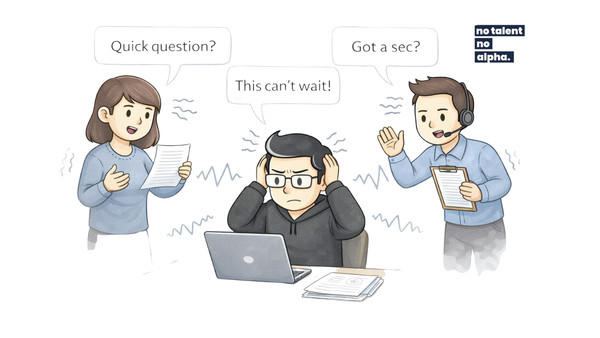
Most interruptions fall into three categories, and only one actually requires your immediate attention. Here's how to teach your team the difference.